

Solid State Relay for Industrial Automation Control
LCTC focuses on the research, development, and production of electrical products for industrial control, such as solid-state relays, temperature controllers, switching power supplies, sensors, and circuit breakers. Building on years of production experience in the electrical engineering industry and large-scale production capacities, we are committed to providing customers worldwide with stable solid state relay delivery solutions.
Our quality management system ensures the quality of each solid-state relay, while our high production capacity enables faster delivery in just 5 to 7 days. At the same time, our OEM/ODM services offer exclusive, customized solutions tailored to your specific needs.
If you are interested in our relays, you can send us a request or whatsapp me, we will respond to you as soon as possible.
Solid State Relay Product Selection
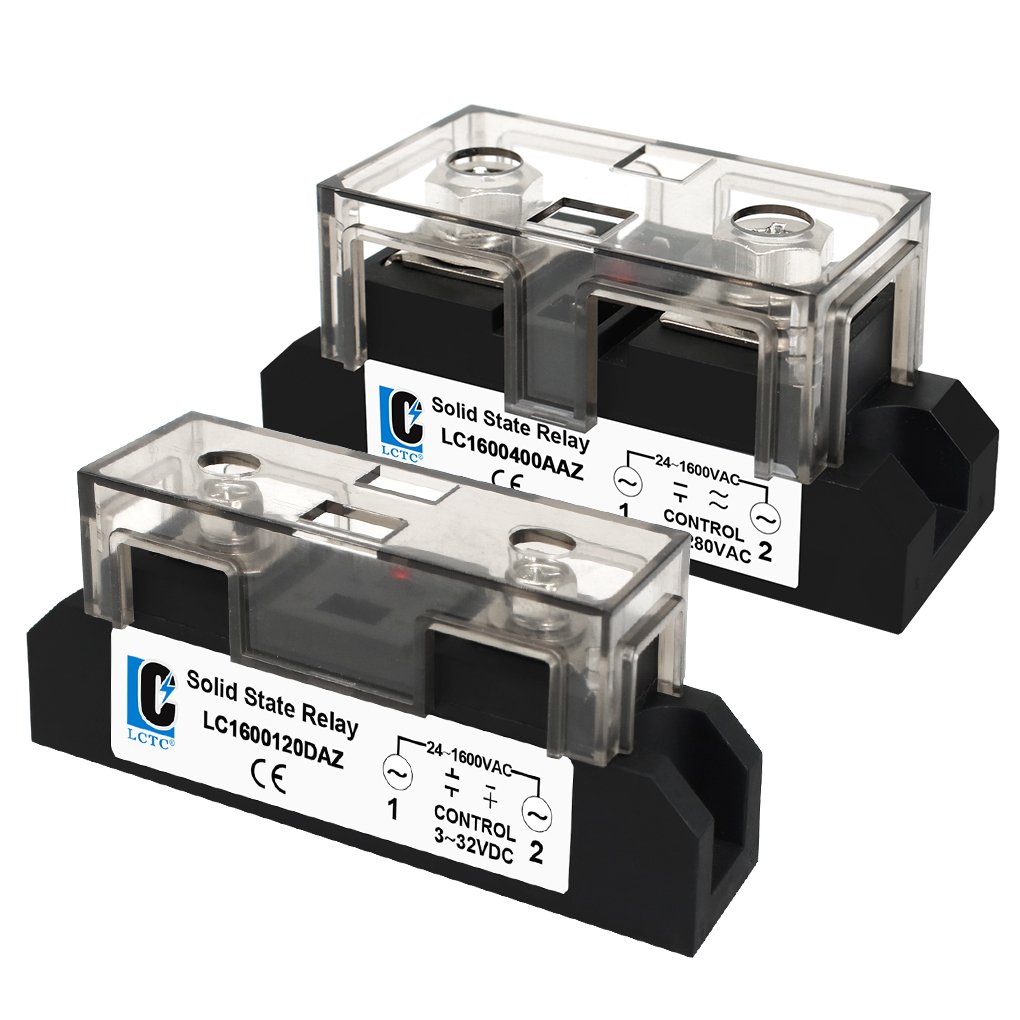
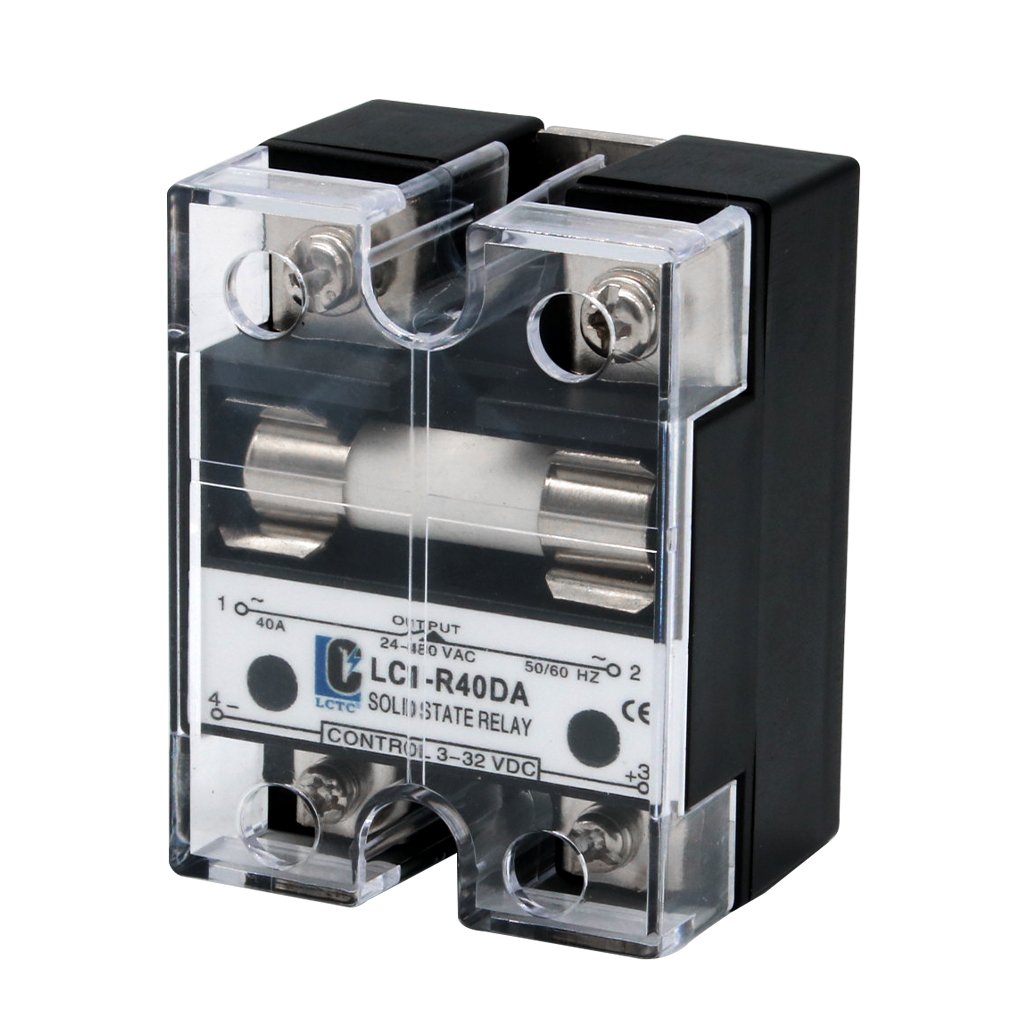
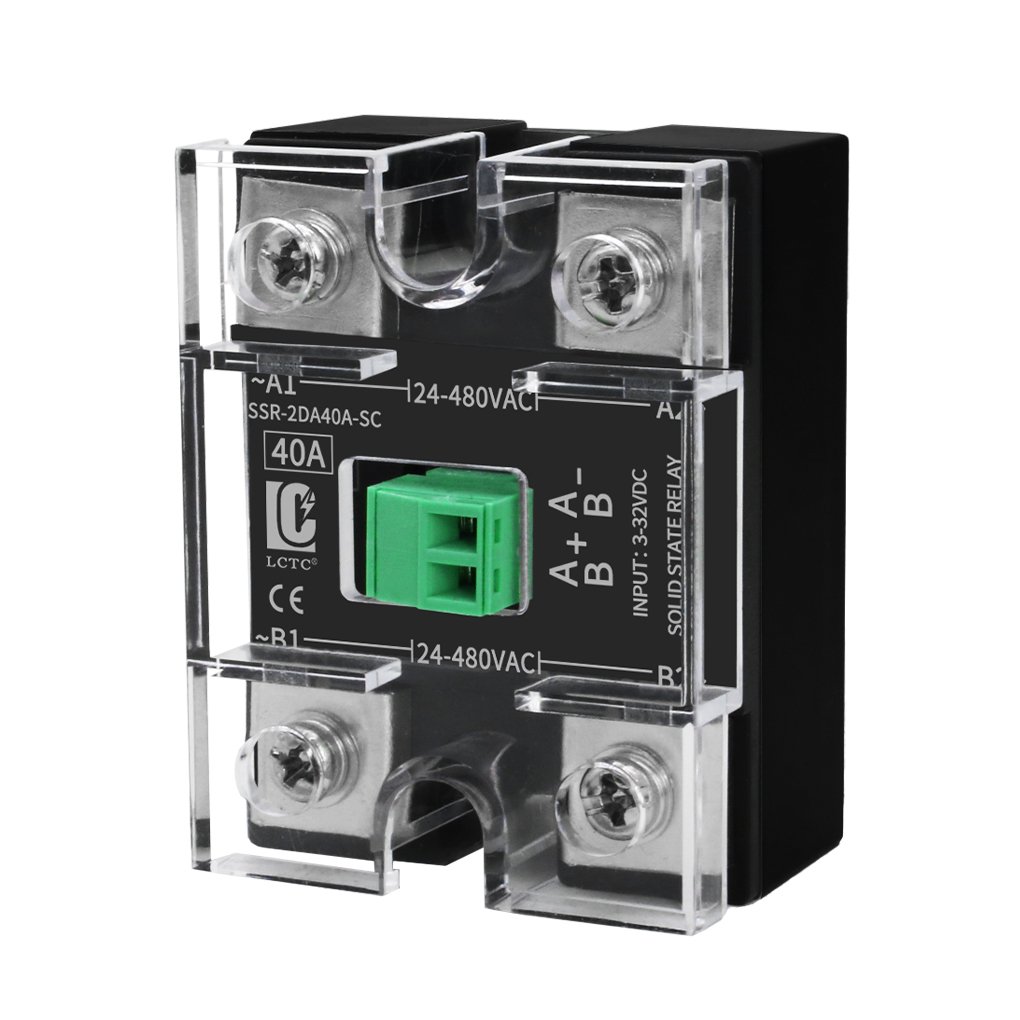
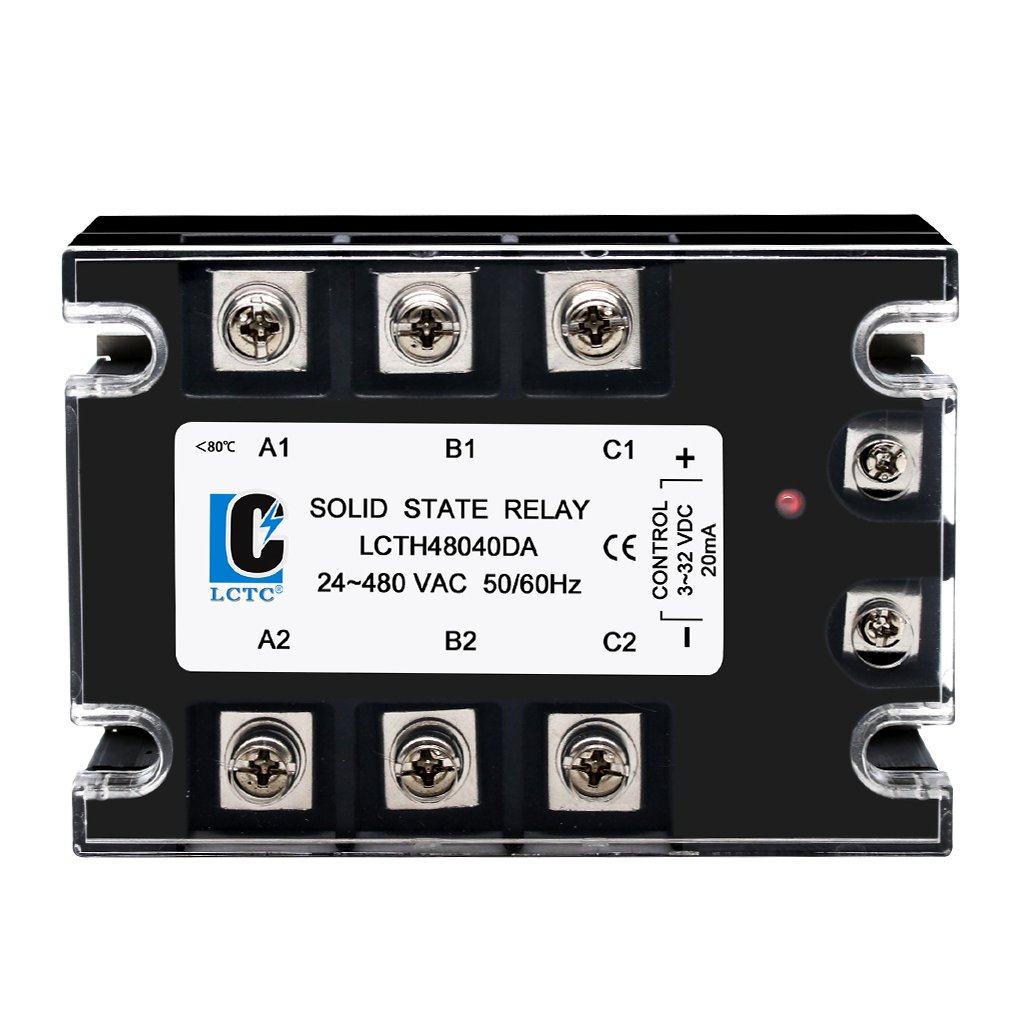
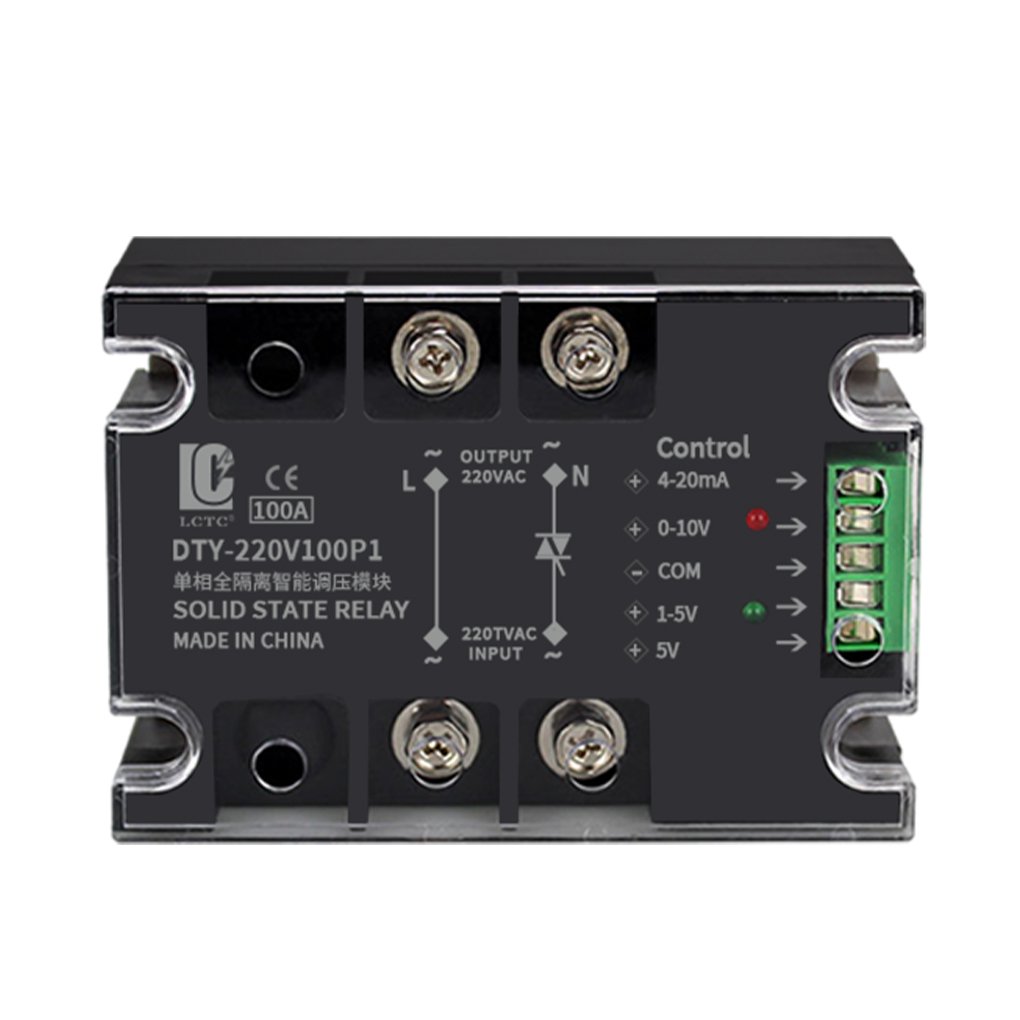
 Single Phase SSR
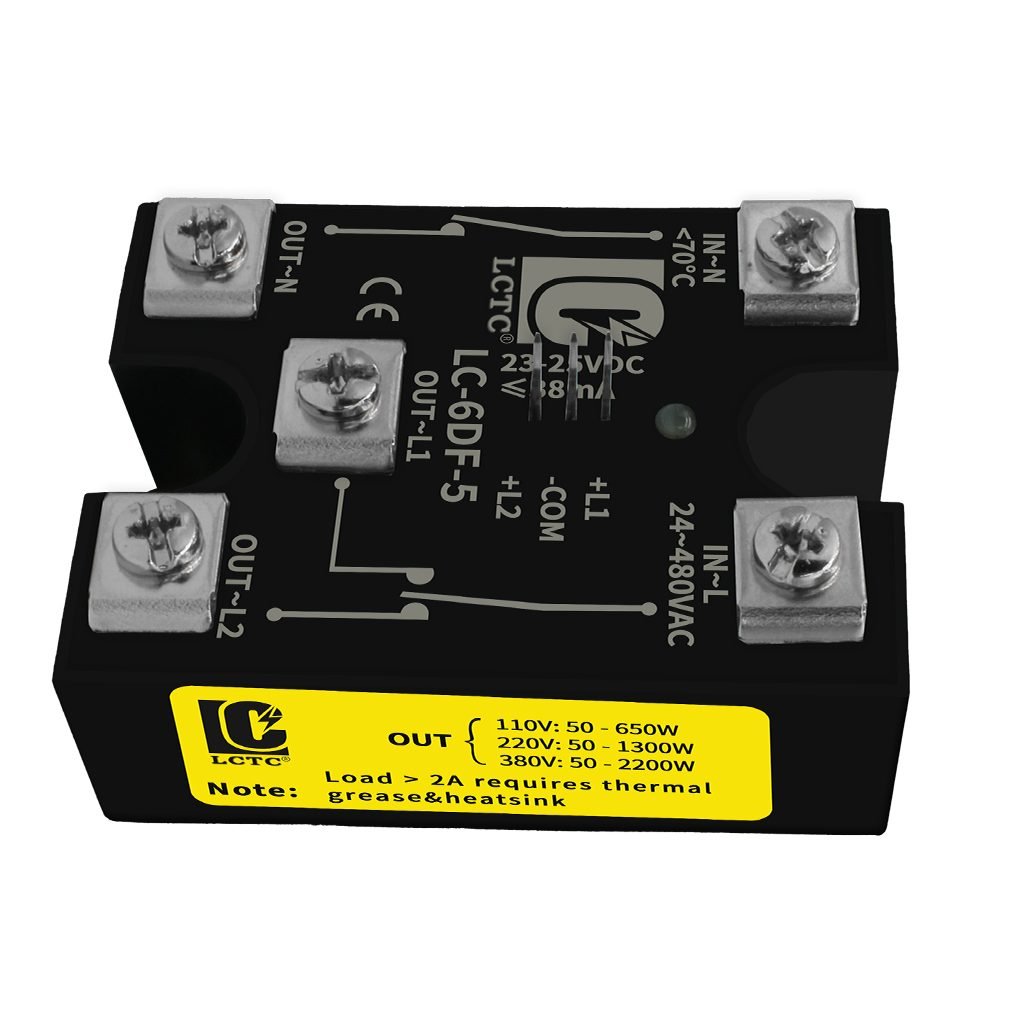
- Double Phase SSR
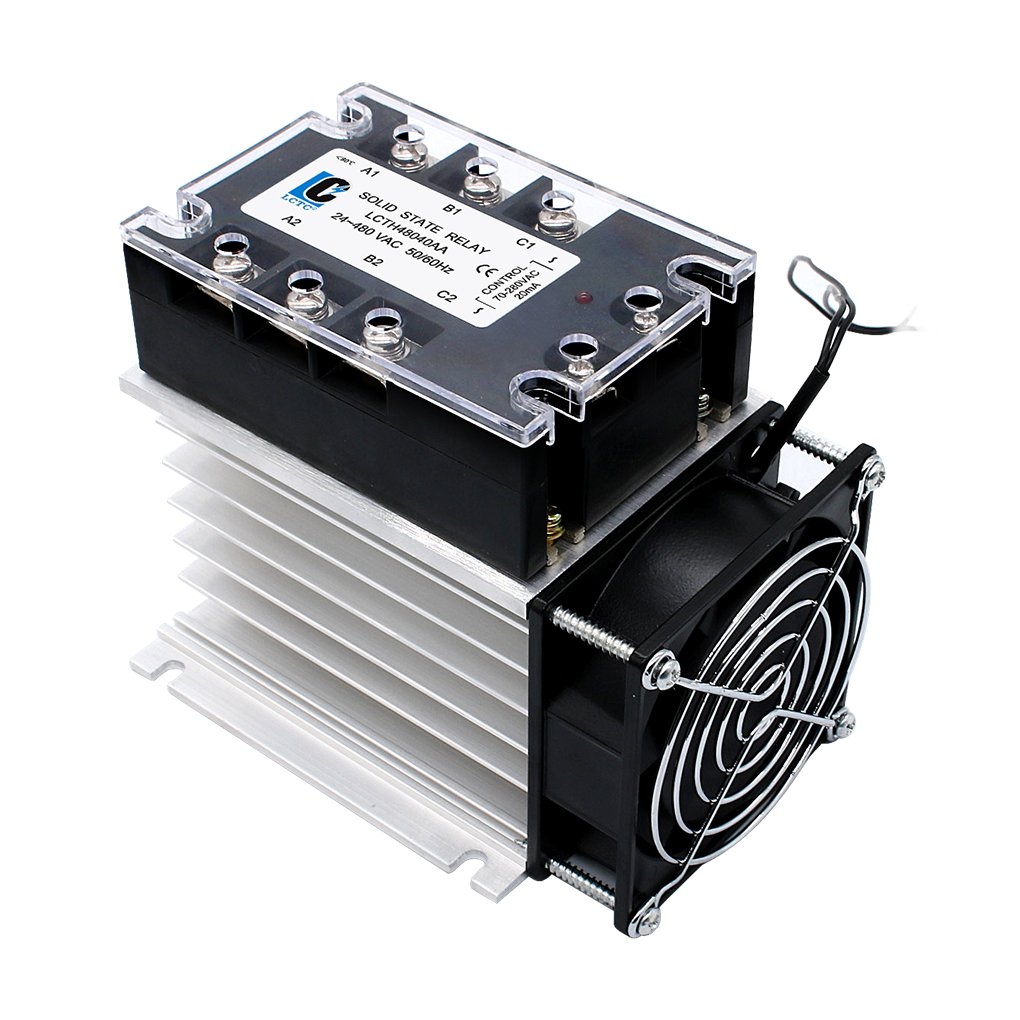
- Three Phase SSR
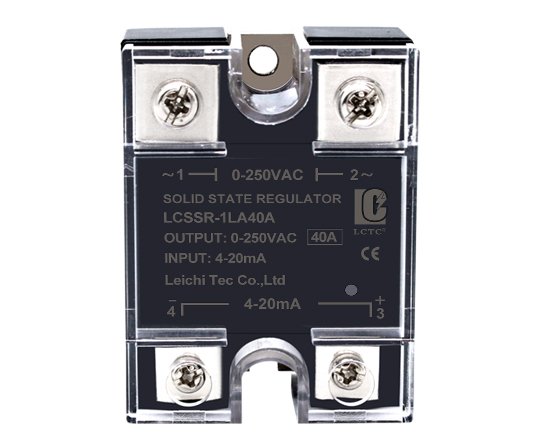
- Voltage Regulator
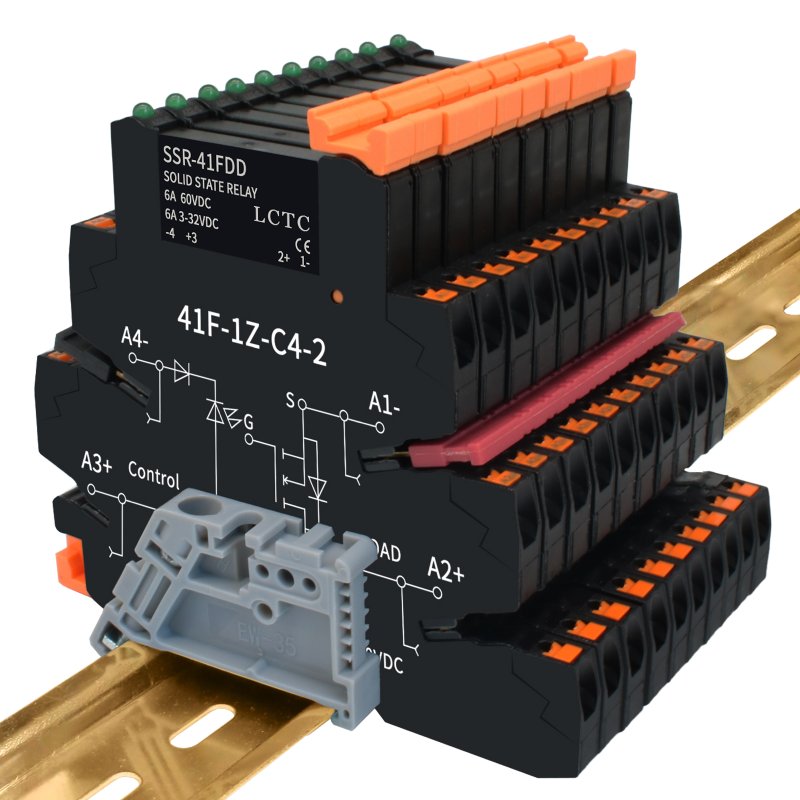
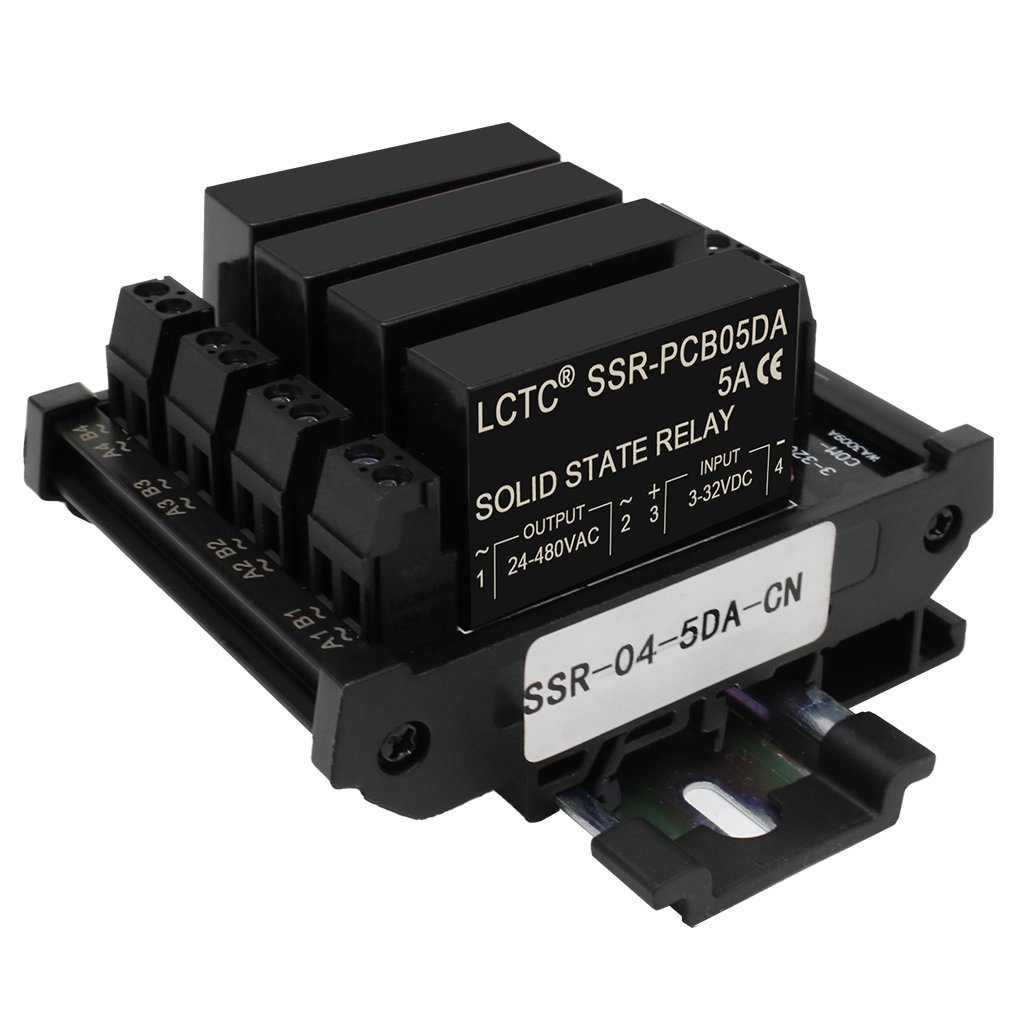
- SSR Module
- Forward/Reverse SSR
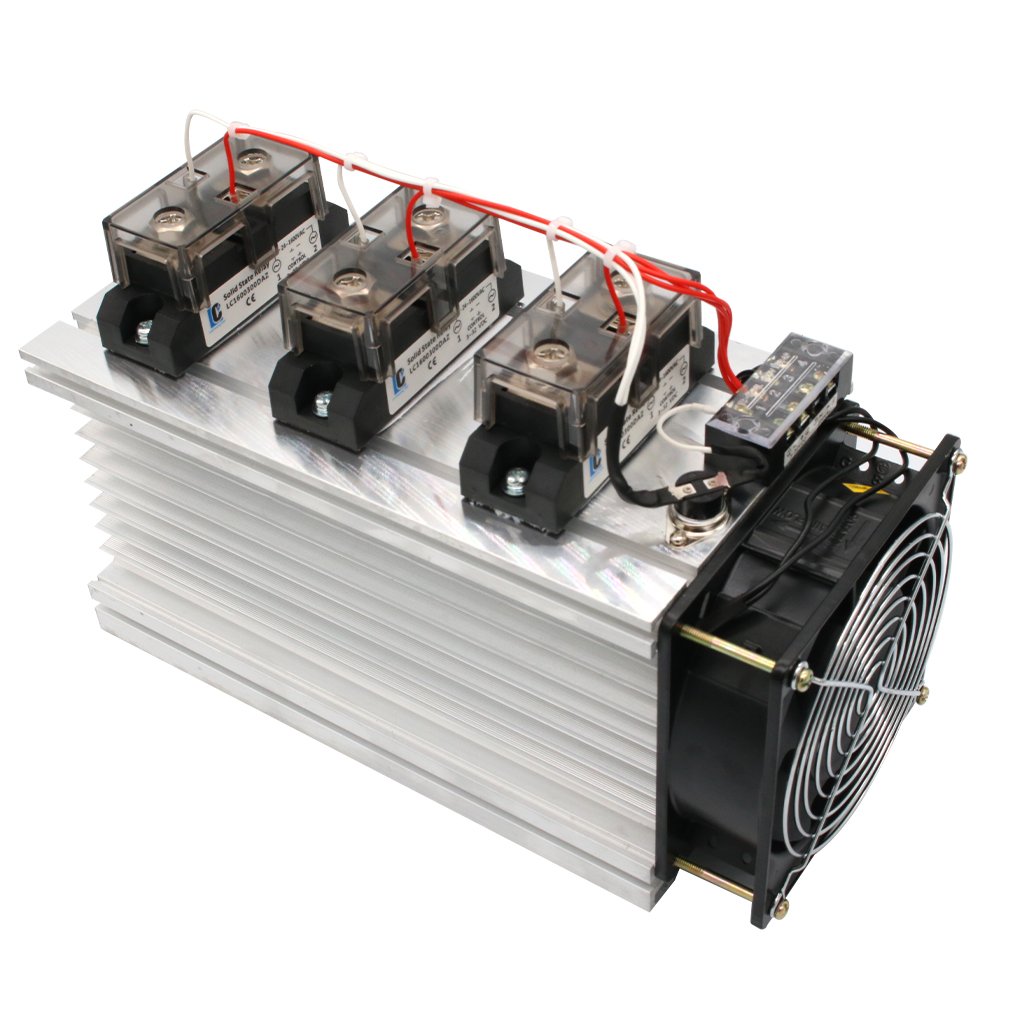
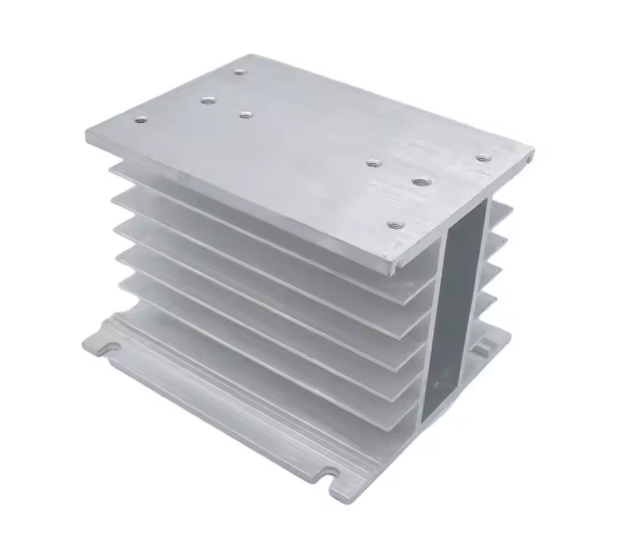
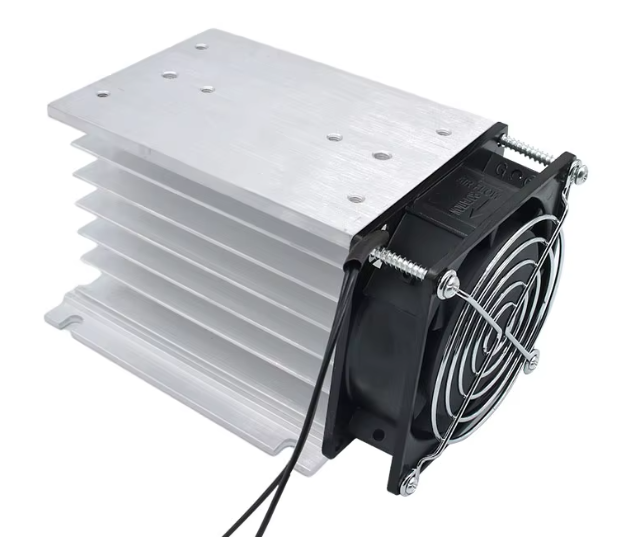
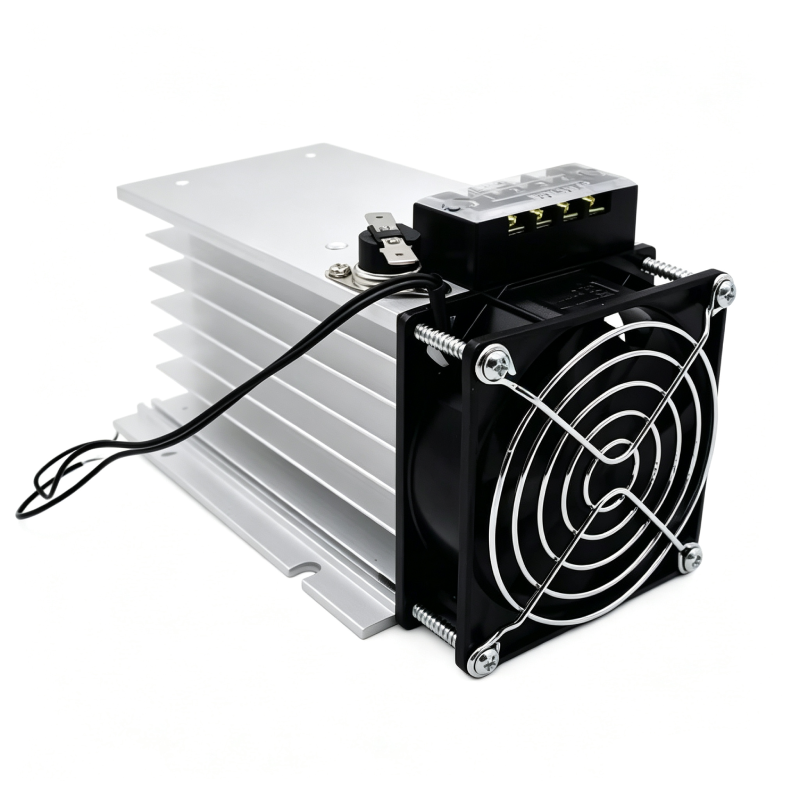
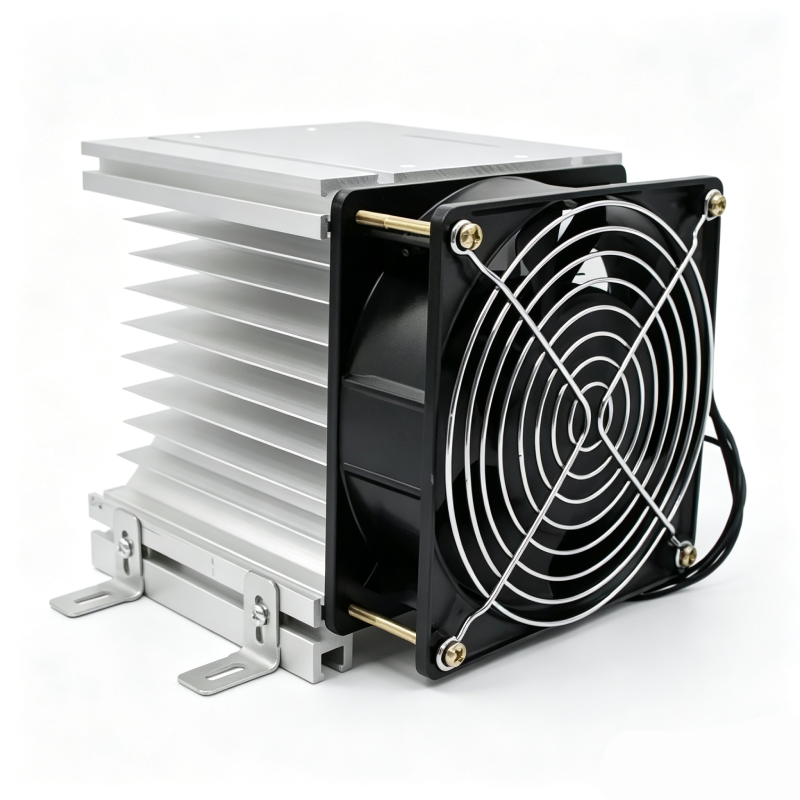
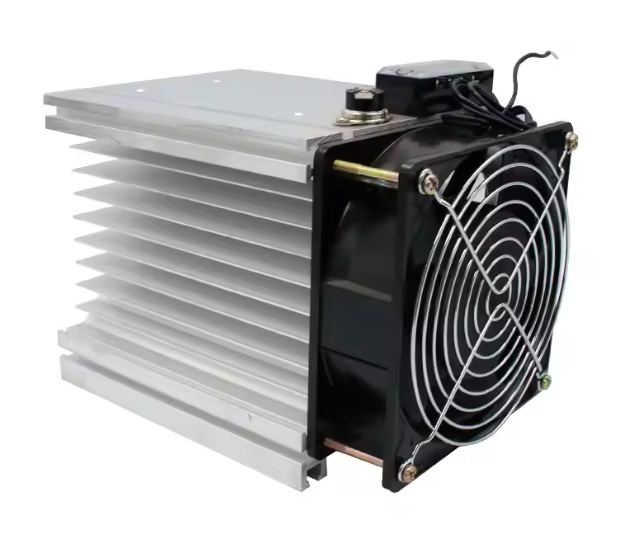
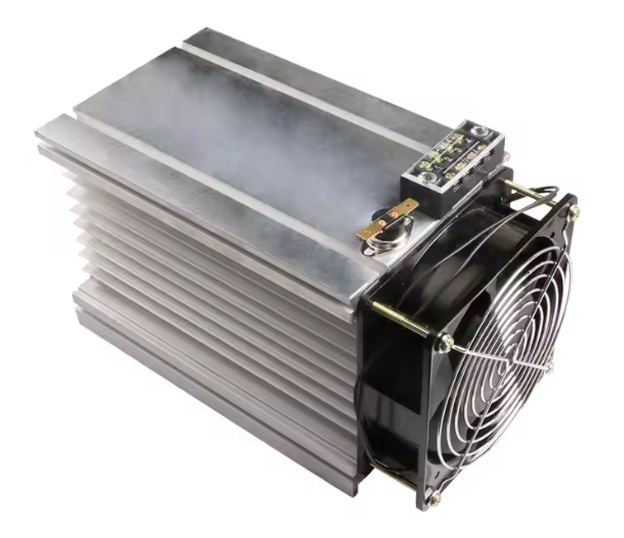
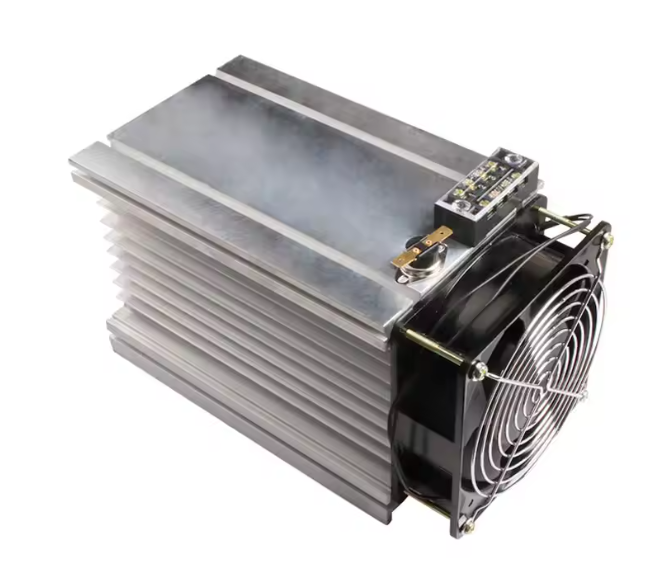
- Heat Sink








Features of Solid State Relay
The numerous advantages of the LCTC solid-state relay are designed to provide you with reliable electrical components.

A response speed on the millisecond level enhances system control efficiency.

No mechanical contacts and operates almost silently.

Wear-free construction without consumables, ensuring a longer lifespan.

Powerful anti-interference capabilities ensure more stable operation of the equipment.

Lower operational energy consumption can effectively improve overall performance.

Strong resistance against short-term voltage surges, ensuring stable system operation.

The compact installation structure is suitable for environments with limited space.

An industrial system suitable for complex environments, such as industrial automation.
Stable Performance of Solid State Relay
LCTC focuses on the control of consistency and reliability of solid-state relays. Standardized production norms effectively minimize performance variations between different batches, ensuring that each batch of products exhibits consistent performance parameters. Multi-stage quality inspections ensure operational quality, reduce the risk of malfunctions, and enhance overall operational safety and stability.


Long-Term and Stable Supply in LCTC
Thanks to decades of in depth expertise in the solid – state relay industry, LCTC’s mature production systems and capacity management ensure that we are fully capable of meeting your requirements for long – term and bulk orders. LCTC also maintains a robust inventory management system to prevent stock shortages. The continuity and stability of our supply are our most fundamental capabilities; our goal is to be your reliable manufacturer.
Exhaustive Pre and After-sales Service
Ranging from pre-sales services, such as product inquiries, model selection, technical advice, custom order approval, and fast support with trial samples, to after-sales services including installation assistance, troubleshooting, and returns and exchanges. LCTC provides you with a dedicated and professional team that works directly with you to resolve all your questions throughout the entire process.


LCTC with Customization Services for Industrial Solutions
Some of our solid-state relays support parameter customization; we can develop a specific the relays tailored to your industry, precisely meeting the requirements of your equipment. We also offer OEM/ODM services, customizing our solutions to meet your specific requirements to provide tailored solutions perfectly aligned with your needs.
Solid State Relay Resource Download


LCTC has consistently focused on R&D and the application of solid-state relay products. What interests us most is not merely whether the specified parameters can be achieved, but rather whether the product can function stably over the long term under actual operating conditions. Over the years, we have served countless customers in the fields of automation equipment, temperature control systems, and industrial control. Our products currently hold various certifications, including CE. We would much rather be a long-term supplier of SSR services, with whom you are willing to cooperate repeatedly.
Application of Solid State Relay
LCTC electronic switching devices are widely used in various systems and sectors, providing reliable switching solutions for a broad range of industrial equipment.

The LCTC solid-state relay is used for precise and reliable switching control, thanks to advantages such as quiet operation, absence of flame arc formation, and excellent compatibility, especially when combined with PLC control—this system is an ideal choice for industrial machinery requiring stability and continuity, such as automated production lines and transport systems.

The fast response speed of the LCTC electronic switching device, combined with a temperature controller, helps maintain stable temperature regulation in heating equipment. Therefore, it is widely used in industrial heating equipment and temperature control devices, such as ovens, melting furnaces, and heating units.

The LCTC switching relay is silent, stable, and has no mechanical contacts. When used in lighting systems, it eliminates flicker and prevents fire hazards. Widely used in commercial lighting, industrial lighting, LED systems, outdoor lighting, and similar applications.

The LCTC SSR stands out due to its high voltage withstand capability and superior insulation performance through optocouplers, which operate without generating sparks. The device not only enables efficient motor operation but also effectively suppresses electrical noise in various environments—such as water pumps, cranes, fuel pumps, and elevators.

Testimonials
Since 2012, we have repeatedly purchased solid state relays from LCTC. Each time, the product quality has consistently been excellent, and deliveries were always completed within the agreed timeframe. We are very satisfied and look forward to continuing our collaboration with LCTC in the future.
— Purchasing Manager, Germany
My heating control system uses LCTC solid-state relays. I have placed several consecutive orders, and the performance of these different batches has remained consistently stable.
The first batch of products is now in use for over a year, and their performance continues to be excellent.
— Procurement Lead, Brazil
My operating system required solid-state relays with specific specifications. LCTC not only quickly adapted their solution to meet my requirements, but also promptly sent the samples. Fortunately, I was extremely satisfied with the samples, and the final order was delivered impressively fast. My biggest concern was that these customized specifications might not be compatible with my system; fortunately, this issue did not occur with LCTC, but rather integrated perfectly into my setup.
— Technical Engineer, Italy
TThe core component of the LCTC solid state relays is the silicon-controlled rectifier (SCR), which types is available in single-phase, two-phase, and three-phase solid state relay versions. There are many forms of SSR types, based on their function and control method, they are classified into switching devices, such as DC-controlled AC, AC-controlled AC, and DC-controlled DC devices, and Analog control (4–20 mA / 0–10 VDC / 0–5 VDC) or voltage and power control via potentiometer. Based on the current classification, loads are further categorized into resistive, inductive, and capacitive loads.
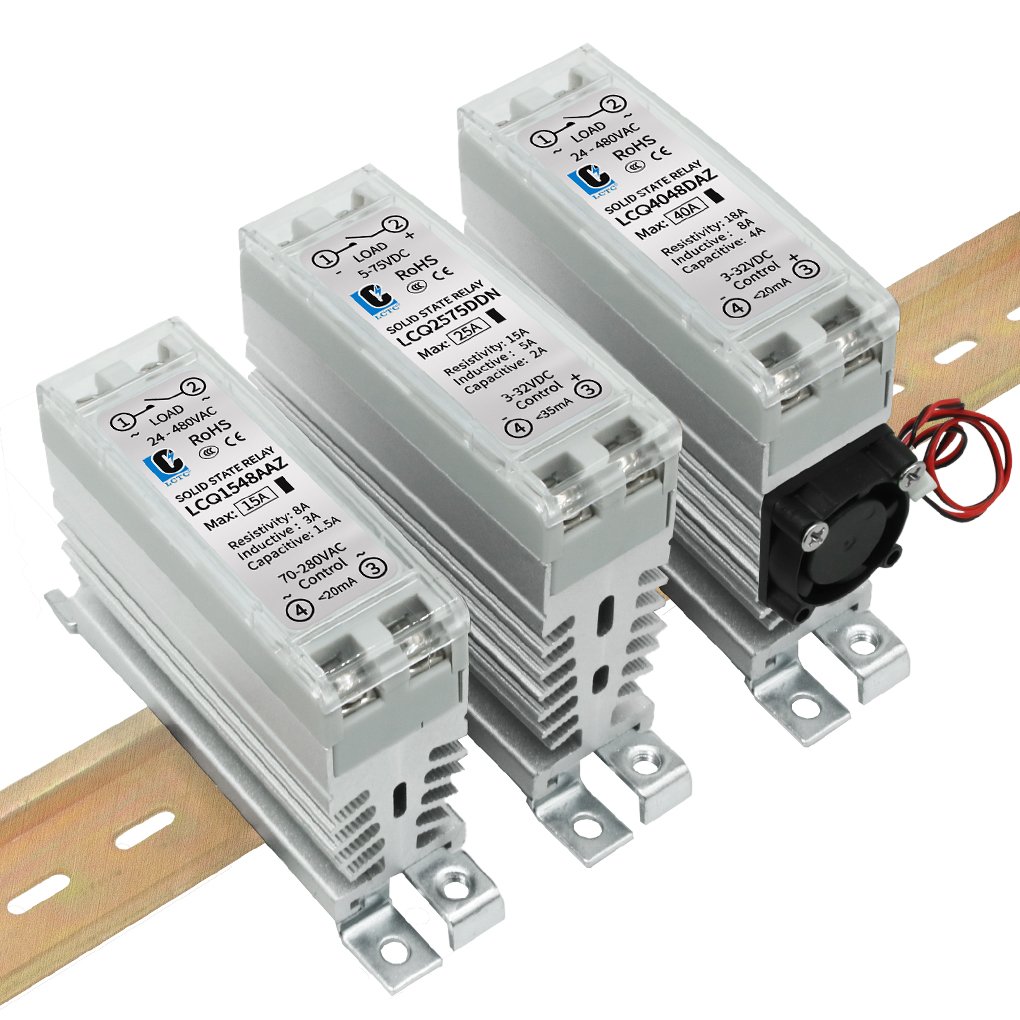
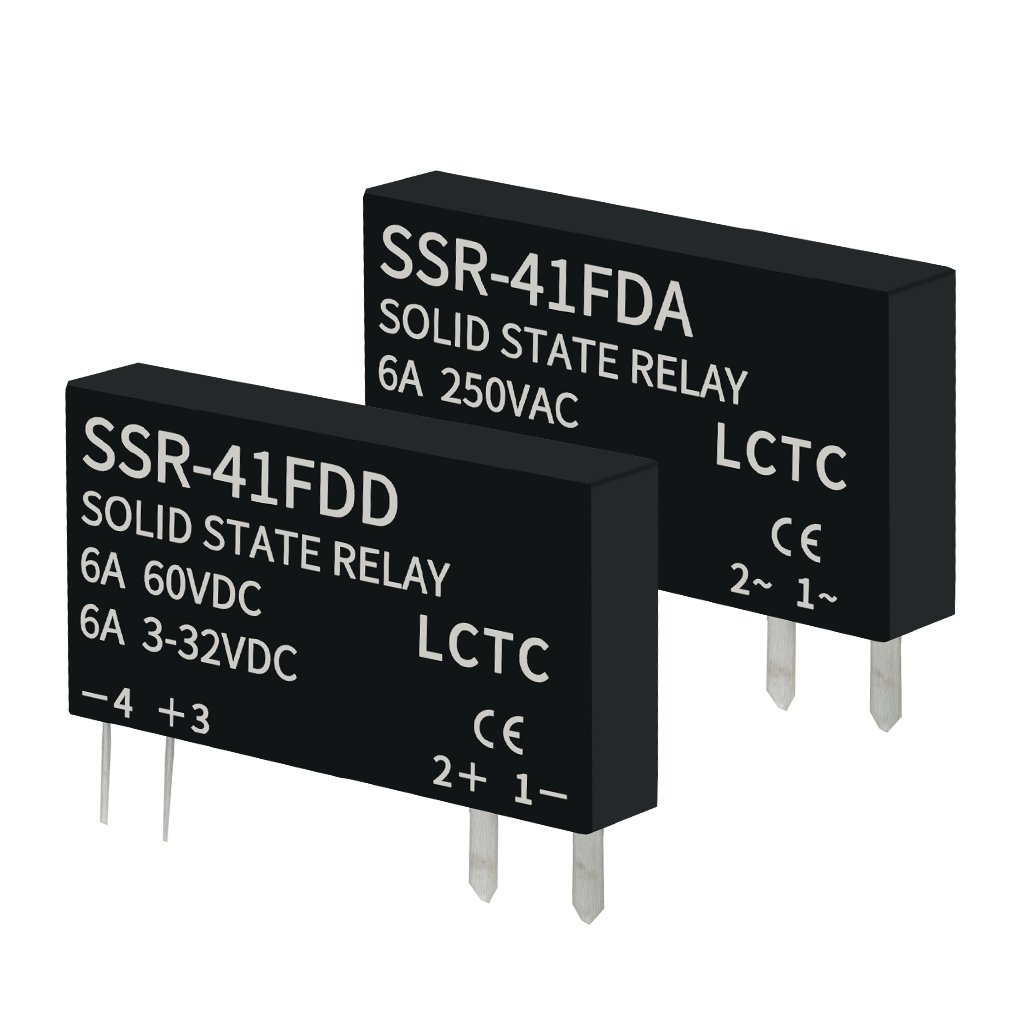
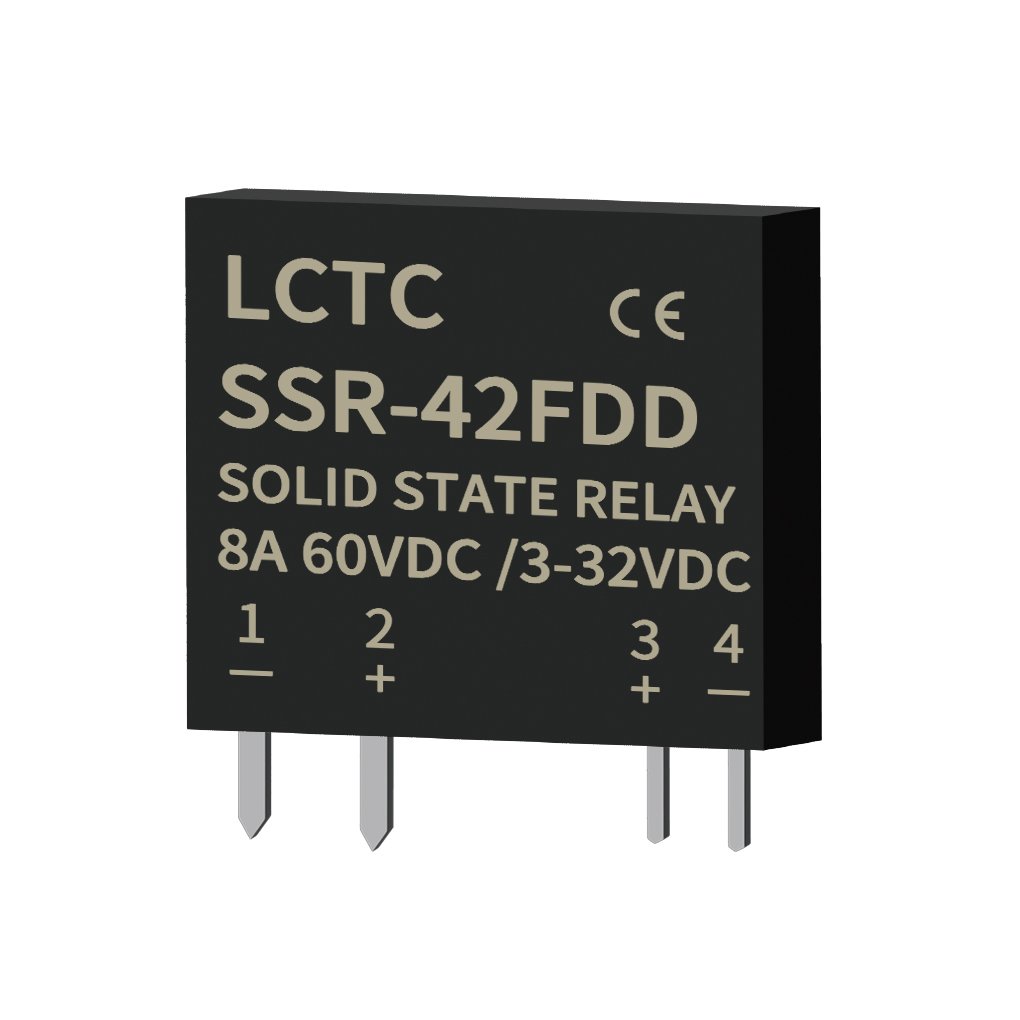
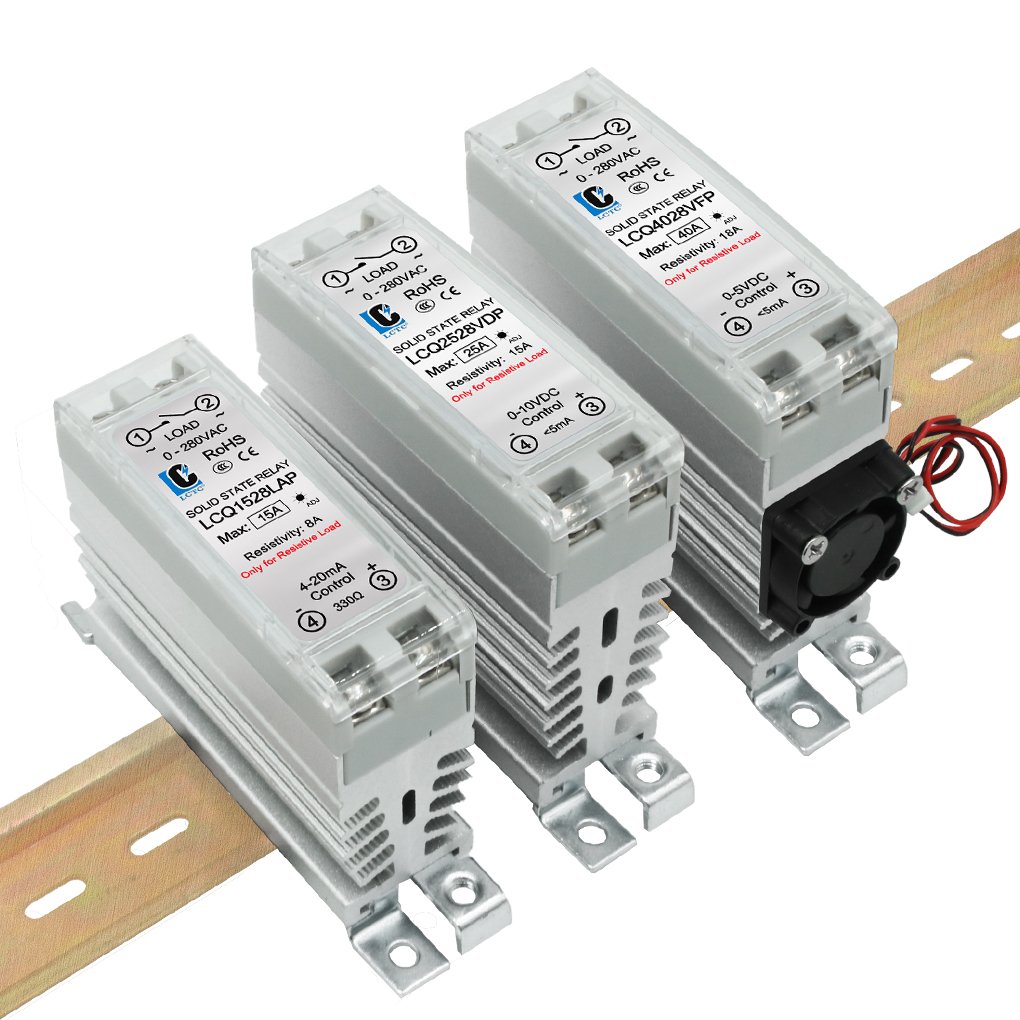
Generally, LCTC offers panel mounting and DIN rail mounting solid state relays, as well as models with PCB pin-type mounting.
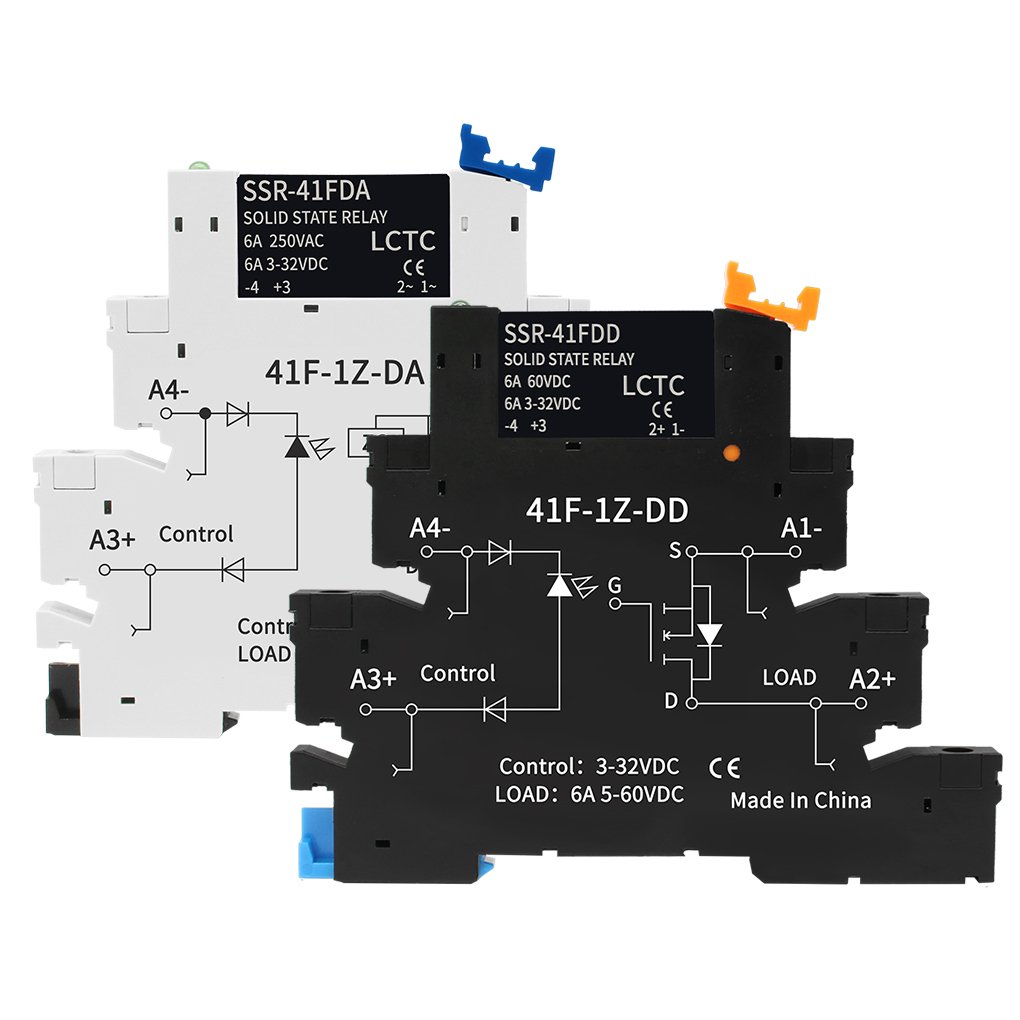
LCTC typically offers 4 channel and 8 channel solid state relay modules or modules with a different number of channels, depending on your specific requirements.
SSR have no mechanical contacts; they are characterized by minimal wear and silent switching, providing fast and precise switching control. It also works efficiently with PID systems, enabling fast switching and stable temperature regulation, making it an ideal choice for equipment such as injection molding machines and temperature control systems.
Yes. SSR have no mechanical contacts, which results in minimal wear, noise, and electrical arc formation; they can withstand frequent switching operations, and when combined with a PID temperature control system, they enable fast and precise regulation of heating loads.
The PID controller sends control signals to the SSR, which switches the power supply to the heating element according to the control requirements.
The difference lies in the control signal used to activate the SSR: the “DC control AC” configuration uses a direct current (DC) input signal to control an alternating current (AC) load, whereas the “AC control AC” configuration uses an alternating current (AC) input signal to control an alternating current (AC) load.
Both methods allow for fast, silent, and wear-free switching; during selection, it is sufficient to ensure that parameters such as input voltage, output voltage, and rated current meet the load requirements.
Since SSRs operate using semiconductor devices, this method results in voltage drop and tends to generate heat during operation; the amount of heat increases with rising load current.
If heat is not dissipated promptly, problems such as reduced load current, unstable operation, or even complete failure and shortened service life may occur.
Therefore, a well-ventilated installation environment is required, and the load current must be taken into account; if necessary, a heat sink should be used to ensure reliable and long-lasting operation of the equipment.
Yes, an SSR can replace a contactor in certain applications, such as heaters, temperature control systems, and industrial automation equipment, where fast and frequent switching, precise control, or quiet operation is required.
The main cause likely lies in the internal semiconductor switching components; since the SSR cannot completely interrupt the circuit in the OFF state, allowing a small leakage current to pass through the semiconductor device, it is possible for the device to remain conductive even after being turned off.
The magnitude of the leakage current depends on factors such as SSR design, output voltage, temperature, and load conditions. For applications sensitive to leakage current, it is recommended to select an SSR with a specified low leakage current in the OFF state and to implement additional suppression measures.
The main causes include excessive load, insufficient heat dissipation, and incorrect installation.
Reliable performance and extended SSR lifespan can be ensured by selecting a model with an appropriate rated current and implementing measures such as proper ventilation during installation and using an adequate heat sink to prevent overheating.
The choice depends on the type of AC load and the switching accuracy requirements.
Zero-crossing switching is suitable for resistive loads and helps reduce electrical noise and electromagnetic interference; it is ideal for PID temperature control applications requiring stable and frequent switching.
Random turn-on is suitable for applications requiring rapid response or phase angle control, such as lighting control, power regulation, and certain inductive loads.
For short-circuit protection, a fuse or an appropriate automatic switch can be installed at the output; for loads with high starting currents, select an SSR with a high capacity to handle current surges and ensure sufficient margin between the load current and the rated current.
For inductive loads, additional overvoltage suppression devices, such as RC damping circuits (snubbers) or varistors (MOVs), may need to be installed to limit voltage spikes; adequate heat dissipation can also help improve load handling capability.
Typically, the LCTC SSR series can operate at temperatures up to 80°C, although the specific limit depends on factors such as rated current, mounting method, and heat dissipation conditions.
If operating in a high-temperature environment for an extended period, the current capacity may decrease. Proper derating helps prevent overheating and ensures reliable long-term operation.
LCTC series SSRs are equipped with integrated protection against overvoltages, so an external MOV is generally not required. However, for applications exposed to high-energy voltage transients, particularly during switching inductive loads, an external MOV can be added to provide additional protection.
If a MOV is required, select a model with nominal voltage and energy handling capacity compatible with the characteristics of the AC power supply and load.
First, determine the load’s operating voltage and current; then select an SSR with output specifications equal to or greater than the actual operating requirements, ensuring that the output voltage matches the load voltage.
For loads characterized by high inrush currents, it is also necessary to consider the SSR’s ability to withstand such current surges.
Finally, factors such as ambient temperature and heat dissipation conditions must be considered; for high-current SSRs, an additional heatsink may be necessary to ensure continuous and reliable operation.
Yes, most heater controls constitute a resistive load, making them ideal for use with SSRs of the zero-crossing type, which can effectively reduce electrical noise and interference.
The LCTC SSR is a common outlet option for temperature control systems and is frequently used in industrial heating plants, such as industrial ovens and packaging machinery.
LCTC offers various input voltage options to meet the requirements of both direct current (DC) and alternating current (AC) loads; typical input voltage ranges are 3-32 VDC for DC loads and 70-280 VAC for AC loads.
When selecting an SSR, it is essential to ensure that the input voltage range matches the load’s operating voltage to guarantee proper operation.
LCTC SSR offers various output voltage ranges to meet the requirements of AC and DC loads. Common output voltage ranges include 24-480 VAC for AC loads and 5-220 VDC for DC loads.
When selecting an SSR, it is essential to ensure that the output voltage range matches the load’s operating voltage in order to guarantee proper operation.
Additionally, when selecting an SSR, parameters such as load current, starting current, switching frequency, ambient temperature, and heat dissipation requirements must be taken into account.
For resistive loads in direct current, the current can be calculated using the load power and voltage: I = P / V.
For inductive loads or those with high starting currents, it is also necessary to consider the starting current or inrush current and the solid-state relay (SSR) capacity to withstand peak currents.
Related Product


How to Choose the Right Solid State Relay
Selecting the right solid-state relay is crucial for the safety and operational efficiency of equipment.
STEP 1: Choose the Correct Control Model
AA: AC Control AC
DA: DC Control AC
DD: DC Control DC
VA: Control and Adjust
LA:4-20mA Input
VD:0-10VDC Input
VF : 0-5VDC input
STEP 2: Choose the Correct Type
Current of Equipment/Ratio = Current of SSR
PS: The Ratio depends on the type of your loading equipment.
Resistive load:70%
Note: This type of voltage regulator module is not suitable for inductive loads such as transformers and motors.
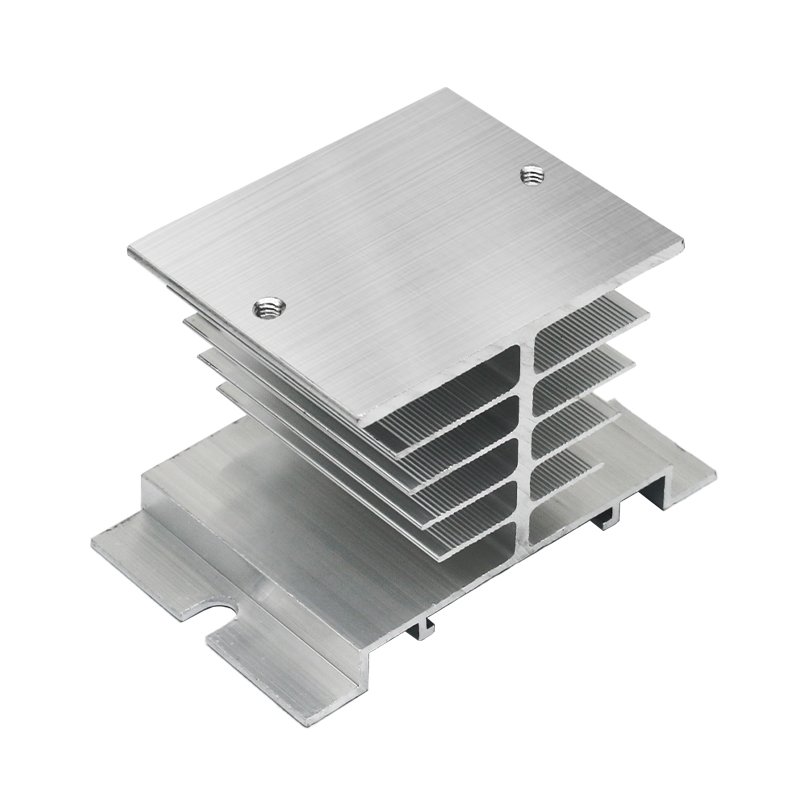
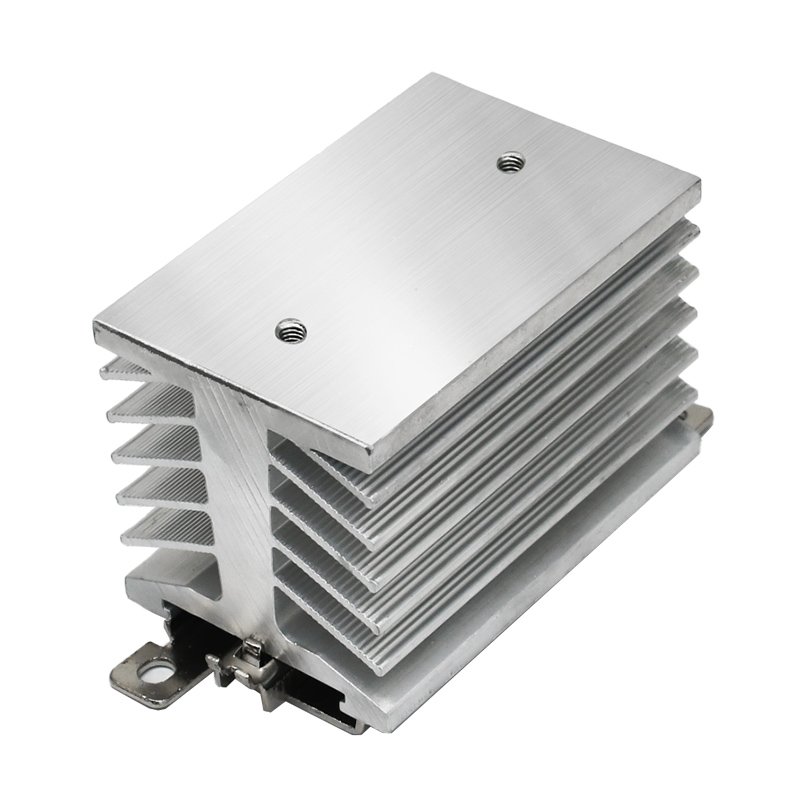
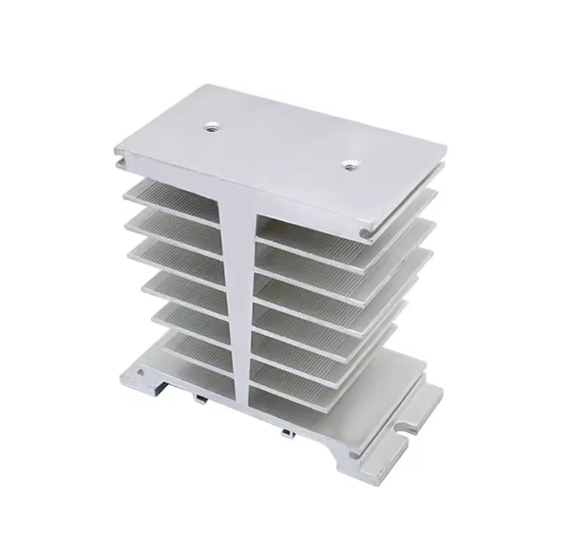
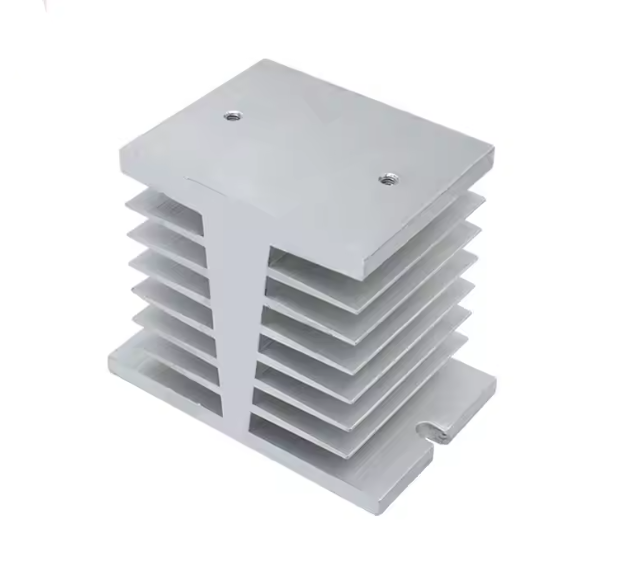
STEP 3: Choose a Suitable Heat Sink
During the usage of SSR, it will give out a lot of heat, so in order to extend the life of your SSR, please install a heat sink, if the current is over 60A, a cooling fan is also required.
How to Test a Solid State Relay
It is particularly important to note that solid-state relays must be tested under load; voltage measurements taken during a test without load will be inaccurate.
1. Test with a Multimeter
This is one of the simplest methods for quickly performing checks and applying preliminary problem-solving. Identify the locations of the input and output terminals, apply the nominal voltage to the input, and then read the values using a multimeter. Under normal conditions, when no control signal is applied, the output remains in the off state; when a control signal is applied, the output switches to the on state. If you detect a small leakage current even when the device is turned off, there’s no need to worry, this is normal.
2. Load Test
Select a suitable ohm load and connect it to the output terminal; then apply an appropriate control voltage to the input terminal. Observe whether the load turns on and off correctly, check for any abnormal interruptions, and verify that the response speed is normal.
3. Leakage Current Test
Since the working principle relies on semiconductor components—which cannot achieve complete physical isolation—there may still be a small leakage current flowing, even when the SSR is in the off state. Turn off the input control signal, use a multimeter to measure the output voltage or current, and check whether the leakage current falls within the normal range. The specific leakage current range should be determined based on particular factors, such as whether the device is AC or DC type, its power rating, and other relevant conditions.
Why Heat Sink is Important for Solid State Relay
During normal operation, a solid-state relay generates heat to varying degrees; if this heat cannot be effectively dissipated, it may lead to problems such as unstable device performance, shortened lifespan, or even permanent damage.
Why is Heat Generated?
Solid-state relays conduct current through semiconductor components such as thyristors or triacs that generate power loss and consequently heat, even under normal operating conditions.
What Problems can Inadequate Heat Dissipation Cause?
Insufficient heat dissipation leads to excessive temperatures, which compromises the insulation properties of internal components; this results in component damage and, consequently, the failure of the SSR. Insufficient cooling can also lead to equipment instability, making it vulnerable to problems such as delays or unexpected shutdowns. Working under conditions of prolonged high temperatures also tends to accelerate the aging of internal components, thereby shortening the equipment’s lifespan.
How to Choose the Right Heat Sink?
Selecting a cooling unit requires considering numerous factors, such as the load flow and operating environment. The greater the heat load, the more heat is generated. Among the factors are whether the workspace is properly ventilated, whether the equipment is installed too closely together to impede airflow and heat dissipation efficiency, and whether the operation is continuous or intermittent. If the heat load is high and the operating environment is unfavorable for active cooling, a cooling body should be applied.
More Resource: Solid State Relay VS Mechanical Relay: Which One Is Right for Your Application?